Panic - Lauren Oliver

RATING: ★★★★

The more I blog about books, the more I realize that there are a ton of "young adult classics" (yes, I just invented that term) that I should have read, but haven't. So it means that besides feeling pressured to read all the "original classics", my booklist keeps growing with YA books too. One of the authors that is on the must-read-YA-books-list is Lauren Oliver, author of the Delirium series and of Panic - which I finally picked up.

It sounds like the Hunger Games meets Divergent, but it actually isn't.

When I tried to explain the plot of the story to my roommate, she immediately thought Panic was some kind of Divergent or Hunger Games and I realised that my summary did make it sound like that. So first off I have to say - ban that idea from your mind. The book might sound the same with certain elements, but the feel of it is completely different.

Panic is a story about Carp, a deadbeat town in NY where high school seniors participate in a game called Panic each year. It's a competition with a hefty cash prize for the person who wins. But not everyone survives Panic - the challenges focus on fear and creating a sense of panic -- - almost each year, someone gets seriously hurts or dies. 

This doesn't stop Heather and Dodge, the two narrators, from competing. Heather enters the game to show her ex-boyfriend, who cheated on her, that she isn't what he thinks she is (average and boring). Dodge enters to avenge his sister, who is wheelchair bound after a serious accident in the last round of her Panic games. At least, they start with those intentions. But as the game grows, people and situations change. Do they have what it takes to win?
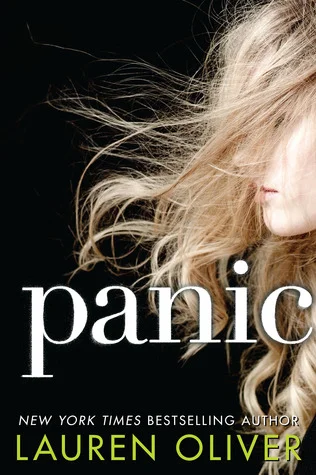
paniccover.jpg

The biggest difference between Panic and other challenge-driven books is that Panic is set in our society. These are normal teenagers, they could have been me, who have to function within our own world. They have pressures and worries that I also have, which made it really easy to relate to them. Would I participate in Panic? I'm not sure, but I do understand why they did it.

Team Heather!

As I said before, the store alternates between Heather and Dodge. Heather is a pretty typical YA-narrator in the sense that she doesn't think she's beautiful, but then at the end of the book everyone finds her gorgeous blabla. Is this old? Definitely. Do I think it's worth dealing with those parts? Definitely.

She doesn't only find her beauty, but Heather finds her strength. She is put in situations that seemed beyond her abilities, but it turns out that she can be successful. Not only is Heather strong, but she is also a rock for people around her. I don't want to give too much away about her story, but I'm not sure who wouldn't like her as a character. She really grows from a stupid teenager to a great mature woman. Kudos to Heather.

Dodge on the other hand was a lot more foreign to me. His main drive is revenge and I just didn't really understand it. it's not like Lauren Oliver didn't explain it properly, but I just couldn't relate to it. What good would revenge do? But the fact that Dodge is so different from Heather means that everyone will find a character they like in the book. Whether you're "soft" like Heather or "hard" like Dodge (at least in the beginning of the book they are), you'll relate to someone and stay interested in the journey.

Finally some originality.

YA seems to be flooded with Dystopian novels and who can blame the writers? We readers are devouring one after another. However, sometimes I need a change of pace and Panic is the perfect in between of Dystopian and normal fiction. It's not quite another world, so as a reader you can relate to the universe the characters are in. Dodge and Heather also felt like they could have been my friends, like we could hang out over the weekend. Another bonus is that though this is "real life", the love stories in the book were never the main focus. This was about the challenges and any love complications were a side-story. Finally a novel set in this world without a love story! The challenges however, seemed so out of this world for me that there was plenty of room to let my mind wander. What would I do? How would I respond? Could I win Panic? 

Rating

This book really was a thrill to read, with some excellent character developments and originality in the plot. However, I wasn't quite satisfied with the ending. It was so incredibly open, which might be beautiful and realistic for some people, but I can't let the story go! I want to know more about what happens to the characters and Carp. So it's not perfect, but it's pretty damn close. Four out of five for Panic.
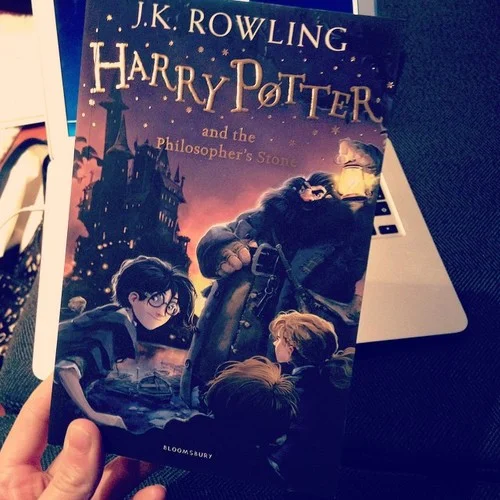
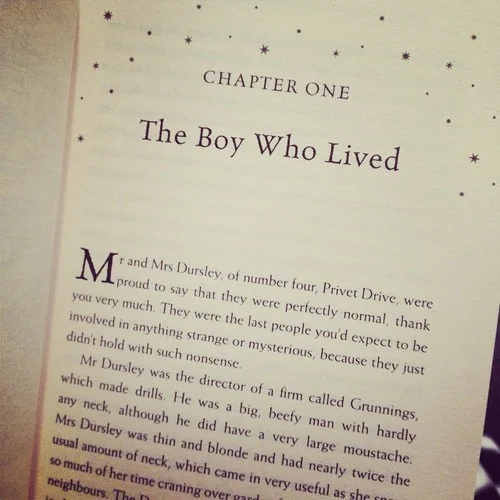
 

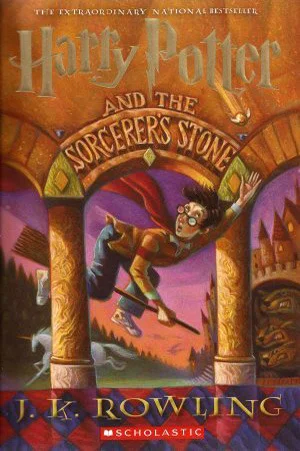
Harry Potter and the Sorcerer's Stone

RATING: ★★★★

I might be the only person in the world who has publicly announced that she hated Harry Potter. I've read the books when they were first released and I thought they were "okay", but then I saw the movies. And I started to hate Harry - honestly why wasn't Neville the chosen one?

But as always, the lesson is to not judge a book by its movie. And in the case of the first Harry Potter book, the movie is a so-so and the book is pretty great.

harrypotter1.jpg

The best known story

Do I have to explain the story or plot to anyone? I think most people have either read the books, often obsessively, or seen the films, which follow the story pretty damn closely. 

What I do want to highlight here is the depth of the story. I knew it was a children's book and everyone told me that the first book REALLY is written for children. I'm 24, so I saw some issues that could arise from that fact. Truth is, I really barely noticed it. Yes, the language is quite easy and the moral of the story is explicitly explained, but the details in the story were amazing. All characters, whether minor or Harry, get quite a lot of background information. I mean, even Uncle Vernon (though he might be the most boring person alive) had a few pages devoted to him.

Most importantly, Fred and George get more "screen-time". I already loved the twins from the movies, but they are so much better in the books. They help Harry, they are friends with their younger, definitely less cool, brother Ron and give the comic release the reader needs after a while. All I want is MORE FRED AND GEORGE. I don't think I'll ever have enough. 

Harry's Challenges

I only had two annoyances with the book (besides the fact that I was it was called Neville and the Philosopher's Stone or Fred/George and the PS). 

1. Dumbledore, you can't leave a baby outside a British house for a whole night. It's England - there is rain and snow and wind and overall crap weather. I'm pretty sure that could have killed Harry. Why didn't he ring the doorbell and then *poof* away?

2. I didn't like the last chapters of the book. Once Harry starts his journey towards the stone, everything goes extremely fast. He whizzes past Fluffy, grabs the flying key with only a paragraph of trouble and within three-ish chapters is with the stone. That's really quick. I love the challenges, and the creativity that went into creating them, but I couldn't feel appreciate it, because the pacing was just off for me. I would have preferred less detail about Harry's pre-Hogwarts life (especially since we get more of that in later books anyway) and more focus on the challenge.

Harry as a character

So has this Harry-hater converted? Not completely. I definitely adored the book more than the movie and book Harry is a whole lot less annoying than movie Harry, but still. Harry is kinda daft isn't he? He's not very focused on school, doesn't really try hard to get better and when it comes to the challenges, he needs all the help he can get to figure stuff out. You're good on a broom, great - very airhead footballer stereotype. I wish Harry would have been more of a hero in this story and would already show why he's special. Maybe that will happen in the later books.

Rating

I'm a bit conflicted about what rating to give this book. On the one hand, I really enjoyed the story. There were so many wonderful details that really sucked you into the story and made you believe in the magic. On the other hand, Harry did kind of let me down. So it's not a perfect 5 - I'll go for a 4.


Radcliffe's Rival 100 Best Novels List

I just found this amazing list online with the 100 books of the 20th century you should read. I'm a sucker for lists, so lets cross some off. Any books I missed but should have read? How many books have you guys read (I'm only at 19)?

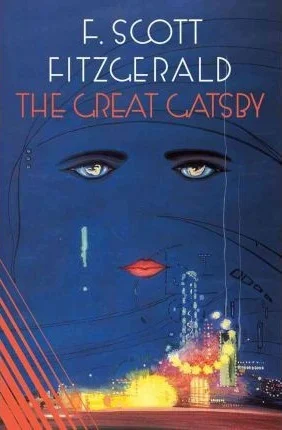
greatgatsby.jpg
  1. The Great Gatsby by F. Scott Fitzgerald
  2. The Catcher in the Rye by J.D. Salinger
  3. The Grapes of Wrath by John Steinbeck
  4. To Kill a Mockingbird by Harper Lee
  5. The Color Purple by Alice Walker
  6. Ulysses by James Joyce
  7. Beloved by Toni Morrison
  8. The Lord of the Flies by William Golding
  9. 1984 by George Orwell
  10. The Sound and the Fury by William Faulkner
  11. Lolita by Vladmir Nabokov
  12. Of Mice and Men by John Steinbeck
  13. Charlotte’s Web by E.B. White
  14. A Portrait of the Artist as a Young Man by James Joyce
  15. Catch-22 by Joseph Heller
  16. Brave New World by Aldous Huxley
  17. Animal Farm by George Orwell
  18. The Sun Also Rises by Ernest Hemingway
  19. As I Lay Dying by William Faulkner
  20. A Farewell to Arms by Ernest Hemingway
  21. Heart of Darkness by Joseph Conrad
  22. Winnie-the-Pooh by A.A. Milne
  23. Their Eyes Were Watching God by Zora Neale Hurston
  24. Invisible Man by Ralph Ellison
  25. Song of Solomon by Toni Morrison
  26. Gone with the Wind by Margaret Mitchell
  27. Native Son by Richard Wright
  28. One Flew Over the Cuckoo’s Nest by Ken Kesey
  29. Slaughterhouse-Five by Kurt Vonnegut
  30. For Whom the Bell Tolls by Ernest Hemingway
  31. On the Road by Jack Kerouac
  32. The Old Man and the Sea by Ernest Hemingway
  33. The Call of the Wild by Jack London
  34. To the Lighthouse by Virginia Woolf
  35. Portrait of a Lady by Henry James
  36. Go Tell it on the Mountain by James Baldwin
  37. The World According to Garp by John Irving
  38. All the King’s Men by Robert Penn Warren
  39. A Room with a View by E.M. Forster
  40. The Lord of the Rings by J.R.R. Tolkien
  41. Schindler’s List by Thomas Keneally
  42. The Age of Innocence by Edith Wharton
  43. The Fountainhead by Ayn Rand
  44. Finnegans Wake by James Joyce
  45. The Jungle by Upton Sinclair
  46. Mrs. Dalloway by Virginia Woolf
  47. The Wonderful Wizard of Oz by L. Frank Baum
  48. Lady Chatterley’s Lover by D.H. Lawrence
  49. A Clockwork Orange by Anthony Burgess
  50. The Awakening by Kate Chopin
  51. My Antonia by Willa Cather
  52. Howards End by E.M. Forster
  53. In Cold Blood by Truman Capote
  54. Franny and Zooey by J.D. Salinger
  55. The Satanic Verses by Salman Rushdie
  56. Jazz by Toni Morrison
  57. Sophie’s Choice by William Styron
  58. Absalom, Absalom! by William Faulkner
  59. A Passage to India by E.M. Forster
  60. Ethan Frome by Edith Wharton
  61. A Good Man Is Hard to Find by Flannery O’Connor
  62. Tender Is the Night by F. Scott Fitzgerald
  63. Orlando by Virginia Woolf
  64. Sons and Lovers by D.H. Lawrence
  65. Bonfire of the Vanities by Tom Wolfe
  66. Cat’s Cradle by Kurt Vonnegut
  67. A Separate Peace by John Knowles
  68. Light in August by William Faulkner
  69. The Wings of the Dove by Henry James
  70. Things Fall Apart by Chinua Achebe
  71. Rebecca by Daphne du Maurier
  72. A Hitchhiker’s Guide to the Galaxy by Douglas Adams
  73. Naked Lunch by William S. Burroughs
  74. Brideshead Revisited by Evelyn Waugh
  75. Women in Love by D.H. Lawrence
  76. Look Homeward, Angel by Thomas Wolfe
  77. In Our Time by Ernest Hemingway
  78. The Autobiography of Alice B. Tokias by Gertrude Stein
  79. The Maltese Falcon by Dashiell Hammett
  80. The Naked and the Dead by Norman Mailer
  81. Wide Sargasso Sea by Jean Rhys
  82. White Noise by Don DeLillo
  83. O Pioneers! by Willa Cather
  84. Tropic of Cancer by Henry Miller
  85. The War of the Worlds by H.G. Wells
  86. Lord Jim by Joseph Conrad
  87. The Bostonians by Henry James
  88. An American Tragedy by Theodore Dreiser
  89. Death Comes for the Archbishop by Willa Cather
  90. The Wind in the Willows by Kenneth Grahame
  91. This Side of Paradise by F. Scott Fitzgerald
  92. Atlas Shrugged by Ayn Rand
  93. The French Lieutenant’s Woman by John Fowles
  94. Babbitt by Sinclair Lewis
  95. Kim by Rudyard Kipling
  96. The Beautiful and the Damned by F. Scott Fitzgerald
  97. Rabbit, Run by John Updike
  98. Where Angels Fear to Tread by E.M. Forster
  99. Main Stree tby Sinclair Lewis
  100. Midnight’s Children by Salman Rushdie

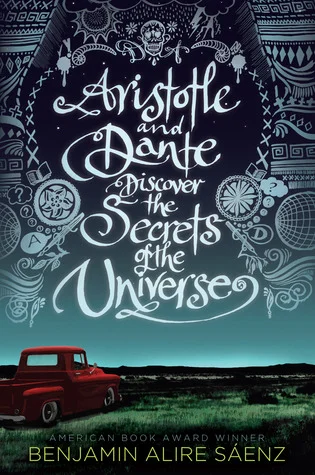
Aristotle and Dante Discover the Secrets of the Universe - Benjamin Alire Saenz

RATING: ★★.5

Most of the books I read follow a female protagonist - usually a white, straight, living in California and extremely pretty one. So it's so nice to find a book that's completely different. 

Aristotle is a boy, Mexican and there's no emphasis on his beauty either way (hello gender roles anyone?). He meets Dante and they develop a friendship that slowly blossoms into something that confuses Aristotle. This book had all the potential in the world, but it just didn't really deliver for me.

Plot

So the basic plot is pretty straight forward - Aristotle is a typical teenager : confused, unhappy and lost. He lives with his parents and is really close to his mother, but struggles to really connect to his father. He has an older brother who is in jail for something that no one wants to talk about and doesn't really have many friends.

Aristotle meets Dante, who is an old soul stuck in a teenage boy's body. Dante is confident, secure and knows exactly who he is and what he wants. As usual, opposites attract each other. 

Aristotle is (nonsuprisingly) an overthinker.

We all know - kind of at least - what the original Aristotle was known for. He liked to think and analyse everything, and this new Aristotle definitely follows his path. And that's exactly why he didn't work for me. He seemed very mature for a teenager and seemed to overanalyse everything - he could never just let life happen to him. Everything was a big deal. While I understand that some people are that way, I just couldn't relate to it. Have some fun Aristotle, you don't have to be intelligent all the time.

Dante on the other hand read like he was 12 instead of an older teenager. His impulses didn't make any sense and he always followed his heart. Again, it just was too extreme for me to really relate to him. I like characters that are a bit like Aristotle and Dante together. A combination of both would have allowed to relate more. As the book is now, I just couldn't identify with anyone.

Short sentences - quick read

The book is narrated by Aristotle who is, as mentioned before, very intelligent. However, the sentences used by writer Benjamin are all very short. If Aristotle is so smart and such a thinker, wouldn't he have longer, more rambling sentences? It just didn't make sense to me.

But, it does mean the book is an easy and quick read - I finished it in one day. The bonus of that is that you really get sucked into the story. It's a completely different world and there are many plot twists that keep you interested as a reader. I also thoroughly enjoyed the exploration of the relationship between two boys , which was very original. If only all these things happened to other characters....

Conclusion

There's not a whole lot to say about this book. I just didn't like the main characters at all, so it was very hard to enjoy it. I have to give the writer credit for the plot and the way the explored the relationship between Dante and Aristotle. However, I was annoyed by them throughout the book, so it's two and a half out of five for me.

Writing inspiration - almost Nano time

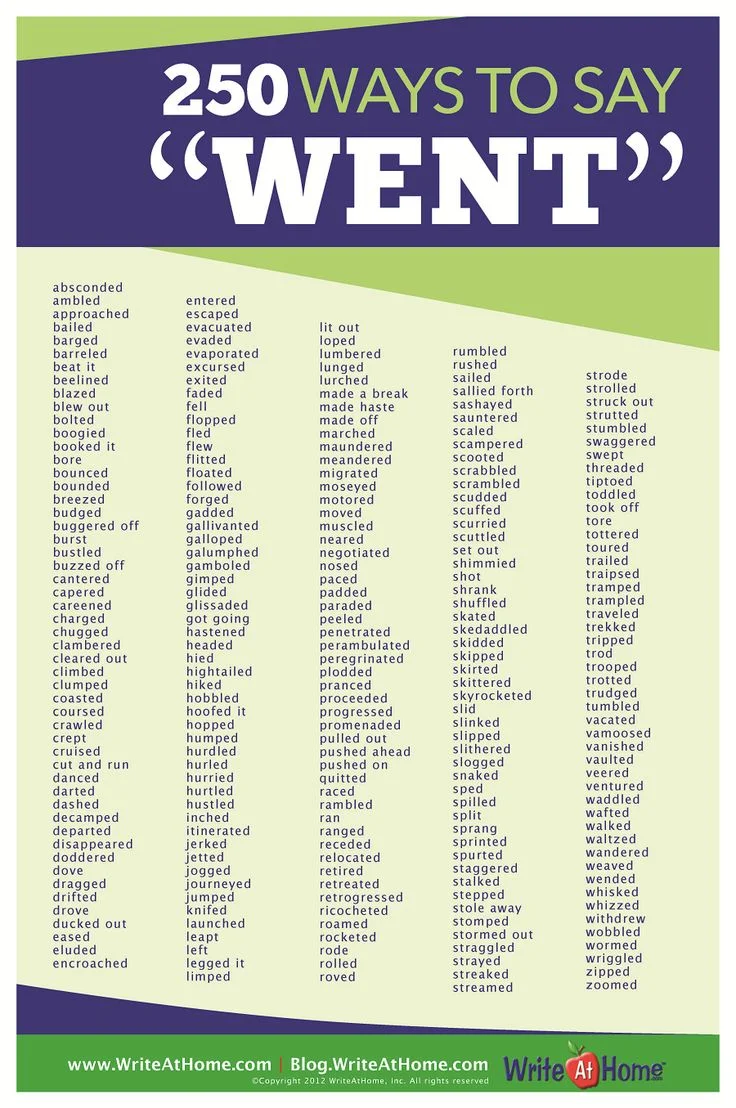
Anyone participating in Nano? How are you preparing? Here's some inspiration to get your mind going.

It’s like everyone tells a story about themselves inside their own head. Always. All the time. That story makes you what you are. We build ourselves out of that story.
— The Name of the Wind - Patrick Rothfuss