The Paragraph Ranch - Kay Ellington and Barbara Brannon

Rating: ★★★★

Whenever I see that a book is written by two authors, I am immediately a little bit worried. Usually, it is really easy to spot which author wrote which part and it annoys the hell out of me. I don't care if it's two different characters or whatever reason they have for writing together - I want a consistent writing style.

But luckily, there are exceptions and The Paragraph Ranch is one of them. If you are like me and tend to avoid double-author books, which I know a lot of you do, then let this book be the one to prove you wrong.

Plot

Dee Bennett - Kaufmann is a divorcee with a dream of publishing a book about a 1930s female creative writing teacher. However, Dee is stuck and, being a teacher herself, can't find enough time to write. Then, just as she is about to start her writing summer, she has to leave the East Coast and go back home to take care of her mother, who was in an accident, and the huge farm she lives on. On the way, we learn about why Dee left Texas, why she has such a complicated relationship with her daughter and mother and what happened to the creative writing teacher.

Can I relate to Dee?

When I was given the opportunity to review this book, I decided to take it based on the writing. From the beginning chapters, the writing is so smooth and effortless that you immediately get draw into the story. However, I did immediately wonder : will I like Dee? She is a mother, a divorcee and dislikes where she comes from. I'm 24, never had any kids and I love going home whenever I can - so it sounded like we would have absolutely nothing in common. But somehow, Kay and Barbara managed to write Dee as such a likeable narrator that I did relate to her. Even though we never had any of the same struggles, I really liked Dee. She is not perfect, she is stubborn and kind of cold, but she always tries to do the best. And for any writer, like myself, reading about the struggles of other writers is a comfort. I get you Dee, writing a book is not easy.

Texas

A huge part of this book is the setting: Texas. You can almost say that it is the main character along with Dee. Dee has avoided Texas for as long as possible, but due to her mother being sick, she is thrown right back into it. And The Paragraph Ranch makes it very hard to understand why anyone would want to avoid Texas. The descriptions of the places are beautiful and realistic (from my little knowledge of Texas anyway) - the farm Dee's mother lives on is not perfect, it is actually kind of worn down, but the writers still describe the charm and the beauty of the place. Same with the landscapes. And, very smart move, they made one character a photographer, so that they could really focus on the description and the beauty of Texas.

However, sometimes the writers went a little bit overboard with the descriptions. I totally get the important of Texas, but I don't need a whole page with how the place looks. I get it with less details, I can imagine stuff. A story needs enough action to keep me interested.

Writing

So like I said, the most extraordinary thing about this book is the writing. No, it's not filled with deep metaphors and sentences that will change your life, but it's simple and effective - it draws you into the story. You can't tell which author worked on what piece of the book, but they did give every character a very distinctive voice. Dee talks differently from her mother and her daughter, which is very effective in my opinion. No one speaks the same way and sometimes authors just create one generic voice to suit everyone. Barbara and Kay really went out of their way to do more for their characters and to really give them a personal voice.

Writing advice in every chapter

The one thing I didn't like about the book was the lay-out. Every chapter begins with writing advice, such as "At the heart of every story lies one of two universal plots. Number one: Someone takes a trip".

What this does is kinda ruin the whole chapter already; you know what is going to happen before it happens and that just doesn't work for me personally. I started to ignore the subtitles after the first few chapters, just because I don't want anything in a book spoiled, but I think it would work so much better without them.

Rating

As you can tell, if you read this whole thing, is that I really liked the book - I was honestly surprised by how much I liked the book. It is a good light read for those cold winter days coming up. But it wasn't my favourite book of the year, which had a lot to do with the subtitles and sometimes a tad too much description, so it is a four out of five. But a great four out of five.
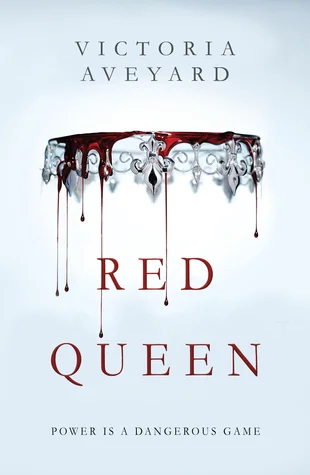
 

Red Queen - Victoria Aveyard

Rating: ★★★.5

I used to be the biggest historical fiction fan - and then I discovered YA. Honestly, I had no clue there were books being written for young people until two or three years ago.

But my love for historical fiction is still there, so when I saw Red Queen on Netgalley, I had to request it, because the title (and cover) made me believe it was historical fiction. Turns out I was wrong - it is definitely YA and some mix between The Hunger Games and Divergent (but most YA novels are these days so that doesn't say much).

redqueen.jpg

Plot

The world is divided in reds and silvers - reds have red blood and silvers have silver blood. Silvers are rich and have magical powers, while the reds are the slaves of the world (think district 12 if you read The Hunger Games). But then there is Mare Barrow who is red, but with silver powers (I know, it rings like 500 bells). She is discovered and forced to leave her childhood life behind to become a queen. But no one can know she is a red, because she would disturb the whole system. 

Then Mare finds out that there is a rise happening - reds want to take over and dethrone the silvers. Whose side will she pick? (I pose it like a question, because that is the main plot element of the book, but honestly you probably already know what she'll do.)

Mare - our very original YA narrator

Mare is the narrator of the book and I quite liked her. She is ripped away from her childhood and placed in a completely new environment with people she doesn't know nor understand. It's a lot for her, but she doesn't become whiney or annoying. She fights through it and she is smart, thank god that she is smart, so we don't have her making any blazingly obvious bad mistakes.

However, Mare is also just a mix between Katniss and Tris - like really really obviously. 

Tris and Mare

- don't follow the system of their worlds

- strong

- quick learner

- involved in a revolution

Katniss and Mare

- want to protect their family

- strong

- go-getter

- involved in a revolution

- love triangle

Now I must say that I haven't read The Hunger Games in years and I have finished Divergent just two months ago, so Mare reminded me more of Tris, but I think that is just biased. The point here is that similarity doesn't make it bad, but the fact that there is nothing new or inventive about the story line kinda does. 

I wish there was a plot twist or that Mare would do something Tris and Katniss would never do. I wish she gave me a reason as to why I should continue this series instead of just re-reading another one.

Love triangle

I know, love triangles in YA are like beating a dead horse. It is stupid and useless and it doesn't make any sense why it has to happen so often.

But, even though I think this love triangle was kind of unnecessary, I did like this one more than usual.

Mare is betrothed to the youngest prince, Maven, but she has met his older brother, Cal, earlier and she kinda liked him (read: he is really hot). Throughout the book there is a back and forth and at the end there is a good, though not completely unsurprisingly, plot twists regarding the princes.

What I liked about this love triangle is that it really isn't Mare's fault. She liked Cal and then she was forced to marry Maven. It was completely out of her control, so I can't slack her off for it. I kinda wish it wasn't on the forefront that much, but it was still okay.

So why did I really enjoy this book?

Nothing I've mentioned so far has been very positive, but for some reason, I really enjoyed this book. It wasn't at all what I was expecting and it was cliché at times, but I think it actually kinda worked.

And that's mostly because of Victoria Aveyard's writing; it is quick paced, to the point and drags you into the red world. She doesn't write the novel like it is the newest and best idea someone ever discovered, but she just writes it like it is a simple YA novel, which it is.

She is also really good at building characters and giving them development throughout the story. Good is not always good and bad is not always bad, which made the book interesting to read.

Other than that, I just liked Mare. She is kinda cliché, but she is such a good-hearted person and you can't help but root for her. You want her to come out on top and find her happily ever after, whether that's with her family, a guy or in another society. You want her to win and that keeps you invested in the story.

Conclusion

This book is a difficult one to rate. On the one hand, I see all the flaws in the story with regards to originality. On the other hand, I actually still enjoyed the story regardless of those flaws. So it will have to be a three and a half out of five. It is not flawless, but there is definitely potential - if the writer breaks free from all the other already written YA books.

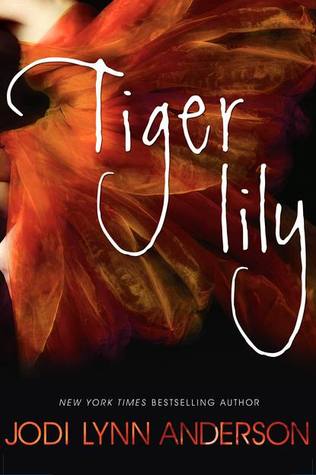
Tiger Lily - Jodi Lynn Anderson

RATING: ★

I was so very excited for Tiger Lily. I love the Peter Pan universe and anything related to Neverland. The whole world is so creative and unique that I just can't help falling in love with anything kinda, sorta related to Neverland.

Until I read Tiger Lily. This book honestly is the disappointment of my book year so far. It was recommended by so many people, but I didn't like the story line, felt like it needed another editor and was left frustrated by the missed opportunities..

tiger lily

Plot

The story is narrated by Tinkerbell and it starts prior to the events of Barrie's Peter Pan. Tinkerbell follows Tiger Lily, who is living in an Indian camp with her father Tik Tok. Both he and her don't fit in - he's too feminine for the Indians and Tiger Lily is too reserved. One night, Tiger Lily literally runs into Pan and their friendship / relationship begins.

The Indians hate Pan and Pan and the lost boys have never seen a girl. This means that the relationship is very weird, to say the least. Tiger Lily has to hide everything and the boys try to make Tiger Lily one of them. Until Wendy arrives and takes over Tiger's place. Wendy is a "real girl", with British beauty and ideas about a family. She quickly becomes a mother to the boys and Pan, who is notoriously unfamiliar with what a real relationship is, forgets all about Tiger Lily. Meanwhile, Tiger Lily's village has an English inhabitant who is changing things around there too, meaning that Tiger Lily has many things on her plate. And Captain Hook is also roaming around the island, looking for Peter Pan.

Tiger Lily

I have to give the author credit for attempting to tackle such a famous world with so many well-loved characters. It's always hard to please all the fans of a work and novels like these ones are very exposed to criticism.

However, that doesn't take away that I for one wasn't very happy about the personality of Tiger Lily. I expected her to be so much more. Because Tinkerbell is the narrator (another decision that I'll discuss later), we didn't really get to go inside Tiger Lily's head. We can only know what she does or what Tinkerbell thinks she's thinking. And Tinkerbell made her sound so very vanilla. 

Somehow, this native american girl on Neverland, the most fantastical island in the world, became a typical YA narrator. She defies her tribe by going to see Peter, she gets jealous when he gives attention to someone else, she tries to make him regret that, but starts regretting that decision and saves him anyway. I wish she would have really taken a stand - punched Peter when he became mean to her after Wendy arrived, showed Hook where to shove his plans once she figured out he wasn't sincere, told her whole tribe to go eff themselves... Something. Anything.

Because the reader doesn't know what she is thinking and doesn't real hear her doing anything special, she just became a pawn in a story. This was Tiger Lily's chance for agency ; to move from a story where she's a stereotypical Indian side-character to taking control of her own story. But this didn't happen at all.

Tinkerbell

I adore Tinkerbell - I always have and I always will. And not the cutesy modern Disney version, but the mean spirited fairy who goes after what she wants. My question is: where was this fairy in Tiger Lily?

This Tinkerbell was so annoyingly good. She becomes close to Tiger Lily and wants to be her friend. She even sacrifices her love for Peter, in like 5 seconds, so she can be happy for Tiger and Peter. What? Where is the jealous Tinkerbell? The original one can only feel one emotion at the time, because she is so small, and this Tink was just far too complicated for that. She read like she was a human being. Why chose her as a narrator if you're not going to use her fairy qualities?

The problem here probably was that Tink as in the Barrie version would be a highly untrustworthy narrator. But this Tink is too complicated and not true to the fairy idea. In this book, another narrator (I vote for Tiger Lily) would have helped so much.

Peter Pan

The only character I liked in this book (I'm not even going to discuss Wendy, because she sucks in the book, the movies and this book) was Peter Pan. This was the one character that was exactly like I imagined he would be. A tough guy who is a scared little boy deep down inside. He wasn't very original or creative, but he made completely sense as Peter Pan. Even his decision at the end (which was kinda heartbreaking) made sense for him. I really felt like the author understood Pan the same way I did.

The writing

I don't think Jodi Lynn is a bad author, but I think some parts of the book just didn't really work for me.

First off, I wasn't very impressed with the world building. I understand the difficulties with working with a world someone else already created, but that was the author's choice. There wasn't much added to Neverland and the stuff that was, about the Indians mostly, was so disappointing. Is it historically accurate with how we see Native Indians; as people in touch with nature and a strong believe in herbal medicine and superstition? Yes. But it's Neverland - the Indians didn't have to be at all similar to our ideas of 15th century Native Americans. This was such a HUGE opportunity of expansion on Neverland and it just wasn't used.

And then some of the sentences... I'll just leave the one that made me literally throw my book against the wall.

"His hair was caked in dirt and none of his features were visible, except his eyes glinted in the glow of the moonlight, and I got a yellow-lit glimpse of his features: a pale face, smooth and animate." (I thought you just said you couldn't see his features??)

Rating

Obviously, I didn't really enjoy this book - it has to be my first one out of five stars. I was SO excited to buy this book and almost nothing worked about it for me. Though it always pains me to give a bad rating (I know how hard authors work on their stories), I have to stay honest as a reviewer and I can't give this a higher rating. None of the characters, except for Peter who didn't have a very big role, matched the idea I had of them in my head. I guess this kind of book is always a hit-or-miss-thing. It was a miss for me.

New Steinbeck story

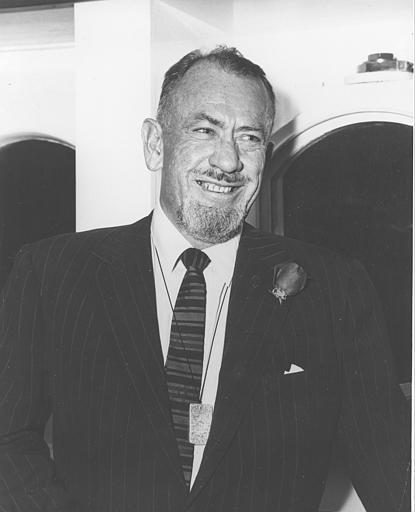
Anyone else as excited as I am about reading a brand new John Steinbeck story? AP broke the story yesterday. Link is here.

johnsteinbeck.jpg


NEW YORK (AP) — In July 1944, Orson Welles wrapped up one of his wartime radio broadcasts with a brief, emotional reading of one of the country's favorite authors, John Steinbeck.

The piece was titled "With Your Wings," an inspirational story about a black pilot that Steinbeck wrote for Welles' program, and it seemed to disappear almost as soon as it was aired. There are no records of "With Your Wings" appearing in book or magazine form. Even some Steinbeck experts, including scholar Susan Shillinglaw and antiquarian James Dourgarian, know little about it.

"It doesn't ring a bell at all," said Dourgarian, who specializes in selling first editions of Steinbeck's work. "And that's saying something if I haven't heard of it. It's also surprising because you would think that anything Steinbeck was involved with would be printed some place."

But 70 years after Welles' introduction in the midst of World War II, "With Your Wings" is getting a second release. Andrew F. Gulli, managing editor of the Birmingham, Michigan-based quarterly The Strand Magazine, came upon the transcript recently while looking through archives at the University of Texas at Austin. He features it in The Strand's holiday issue, which comes out Friday.

Steinbeck, who died in 1968, wrote often about social injustice and on occasion featured black characters, notably Crooks in his classic novella "Of Mice and Men." Gulli, whose magazine specializes in reissuing obscure works by famous writers, said in a recent email that "With Your Wings" was characteristic of the Nobel laureate's worldview.

"Steinbeck was an idealist. He saw America as this wonderful land with so much to offer but on the flip side, he could see inequality, he could see greed and excess destroying the working classes," Gulli wrote. "This story strikes me as an effort to show middle America that African-Americans were carrying on a huge burden in defending the United States and the allies during the war."

An avid supporter of the war, Steinbeck worked overseas as a correspondent in the 1940s and, according to biographer Robert DeMott, wrote a favorable book about the Air Force called "Bombs Away!" Dourgarian noted that Steinbeck had favored "unusual" stories instead of describing the daily briefings from military officials.

"With Your Wings" at first reads like a standard narrative of a veteran's return, a plot used by everyone from Homer to Ernest Hemingway. Second Lieutenant William Thatcher has completed his training and at a farewell ceremony receives silver wings, pinned to his chest. He climbs into his "clattering" Model-A Ford and sets out for an unidentified hometown. He appears to be greeted as a hero, or at least a celebrity, passing "crowded porches" and children "washed and dressed in their best and starchiest clothes, hairs bursting with ribbons."

"He could hear the rustle as the neighbors moved silently near and formed a half circle behind him," Steinbeck writes. "It was as though his own people were sitting in judgment on him."

Thatcher's sense of obligation is made more clear and powerful when Steinbeck reveals that he is black, at a time the military was segregated.

"He took off his cap with the gold eagle on it and held it in his hand. He saw his tall father lick his lips. And then his father said softly, 'Son, every black man in the world is going to fly with your wings,'" Steinbeck writes.

"His heart was pounding. He could hear a little quiet murmur of voices in front of the house. He knew they were going to sing in a moment. And he knew now what he was to them."

Writing Inspiration

It's already day five of Nano - is anyone else feeling the empty creativeness? Here's some inspiration.


The point is, it didn’t really matter what that book was about. It was what it meant that was more important.
— The Book Thief

Harry Potter and the Chamber of Secrets

RATING: ★★★

Oh Harry, we were on such a roll together after I read the first book. I fell in love with your world and even found you to be much more tolerable than I expected (which is a huge compliment coming from me). But then I read Chamber of Secrets and I have to wonder, why wasn't this just called Harry Potter and the Philosopher's Stone Part 2? The outline is pretty much the same and until the ending, I didn't really feel like I learned many new things. Meh.

harrypotteratcos.jpg

Plot

So our lovely pal Harry is back at Hogwarts (after a well-known incident with a flying car) and is suddenly hearing voices. Instead of looking for help from his teachers, he hides it - even when a bunch of people are "petrified" (kinda become a statue, from my limit magic understanding). Anyway, turns out Harry can speak to snakes, that a chamber of secrets (hence the title) has been opened in the school and of course it involves Voldemort again. 

This is a really rough outline, but I assume most people already know what happens, so this was just to bring you up to date really quick.

The good

What I liked about this book is the expansion on Hogwart's world. We learn more about Quidditch, the classes Harry's in and the overall feeling of being a young wizard. I loved this part and the fact that there is so much depth to every character and to every element in the world. Rowling leaves nothing unexplained (except for some elements that are needed for later books) and explores a bunch of backstories of characters, while also really showing the reader what Hogwarts is like. 

I mentioned before in this review that I feel like fantasy authors often borderline in between not giving enough information - so preventing the reader from really relating to the world - and giving too much information - so that the reader is overwhelmed by it and often can find flaws. However, this is clearly not the case with Rowling. There's a great dynamic between information and action and there are basically no flaws. Everything makes sense. This woman had a great plan while writing these books and she stuck to it. Major props for that, no one can ever question the great writing skills of Rowling in my eyes.

The bad

For some reason, and this is really personal, I just wasn't that interested in the chamber and the diary and all that stuff. Students got petrified, but they can be healed with a plant. I guess it's kinda sucky to have students drop out during the year, but I couldn't really relate to it. I didn't see why Harry had to get involved once again. But bravo Harry for saving everyone (and Ginny, spoiler). Maybe this was too action-packed for me and because I enjoyed the "normal" Hogwarts experience so much I didn't enjoy it? I'm not completely sure, but I just didn't really get into the story.

The ugly

When I think about that amazing plan J.K. Rowling had while writing the book, I can also imagine she wrote at the top "FOLLOW THE EXACT SAME OUTLINE AS FIRST BOOK". 

1. Harry has a bad summer with his muggle aunt/uncle/nephew

2. Harry goes to Hogwarts, but stuff happens before he gets there

3. Harry has a normal week-ish

4. Harry starts noticing things no one else notices

5. Harry's scar hurts

6. Harry gets too deep into something he really should have told a teacher about

7. Harry saves the day and goes home to have a crap summer

There is nothing wrong with this outline, I thoroughly enjoyed it in book one, it just got a bit boring once I noticed that it's the same as in book one. (I must add here that I'm reading book three right now and already enjoy it so much more by the addition of Sirius Black as a character, so this was probably a once off problem!) J.K. Rowling is such a great writer and I felt like she could do so much more with book two. Maybe it was her publisher, maybe she was scared to break a winning formula - whatever it is, it just didn't work for me.

Rating

So even though I might be hanged for this by Harry Potter lovers (aka the whole population) I can only give this book a 3 out of 5. It was "okay", "not bad", "not as great as the first one but that's normal". It just didn't do it for me, though J.K. Rowling's writing is still amazing and the world she created is still fantastic. Just too many book one vibes.

Bookstore Review: Skoob Books London

RATING:

Location: 3 out of 5 Almost impossible to find, but near plenty of tube stations. So I guess if you've been there once, the location is okay. 

Layout store: 2 out of 5 Messy. Messy. Messy. 

Offer: 4 out of 5 Lots and lots of books, especially academic books.

Overall: 3 out of 5 I think it's great for academics who want cheap books, but I doubt I'll go back. 

Review

Finally a bookstore review again! Between travelling back to Belgium and living on a book ban (London is expensive kiddos), there really haven't been many trips to the bookshops. But I wanted to go to Skoob Books the moment I read about it months ago, so I decided I was allowed. Just once doesn't break the ban, right?

Struggle one is finding Skoob Books. Besides the fact that I always get lost in the streets of Bloomsbury, the story is also mostly under the ground.

skoobbooksentrance.jpg

This is the entrance and thankfully it's in a mall-like building so there are signs guiding you straight to it. Otherwise, I would have walked past it. This entrance is very "meh" and not inviting, but just like with books, don't judge the store by its cover.

skoobbooks.jpg

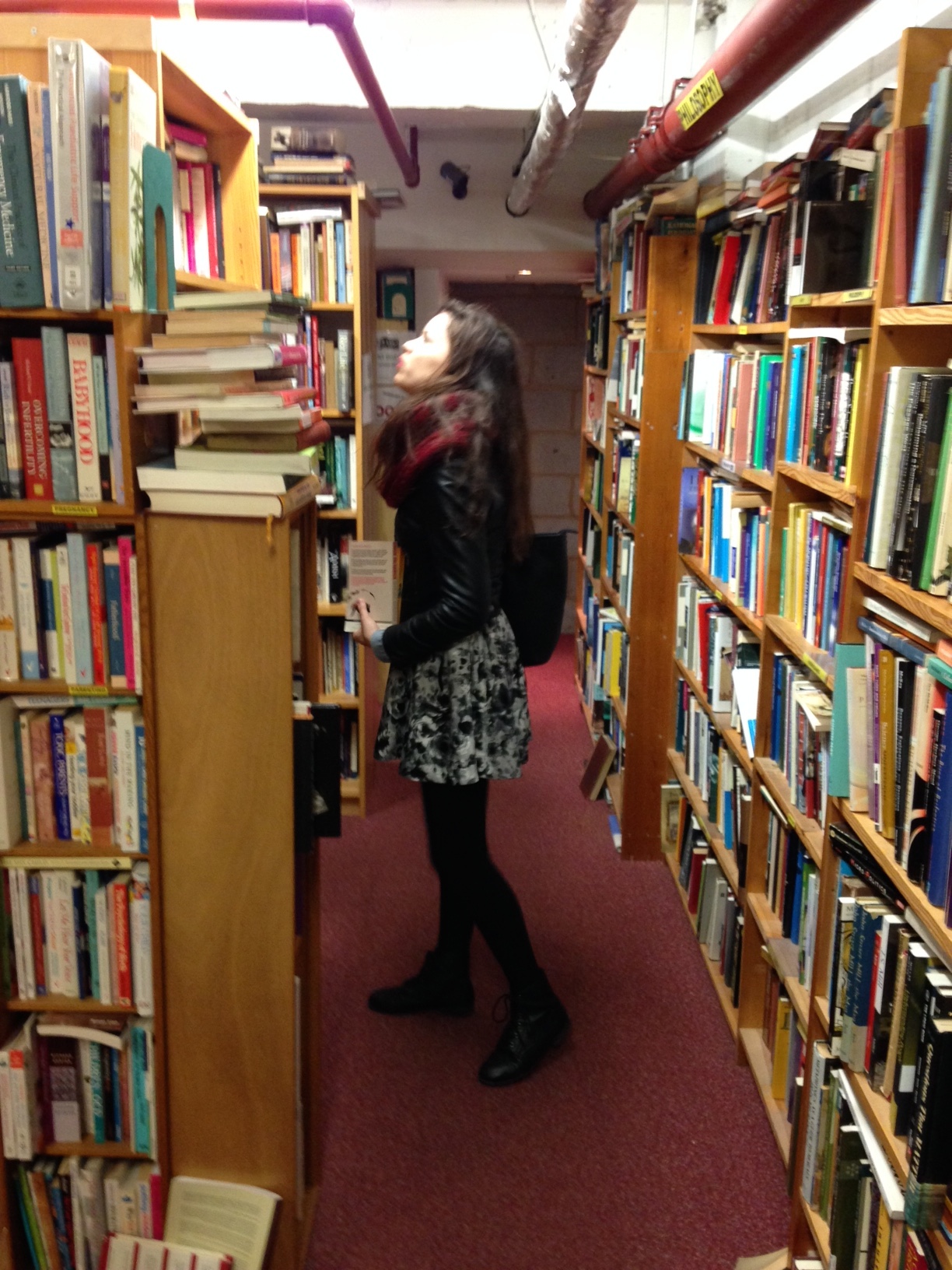
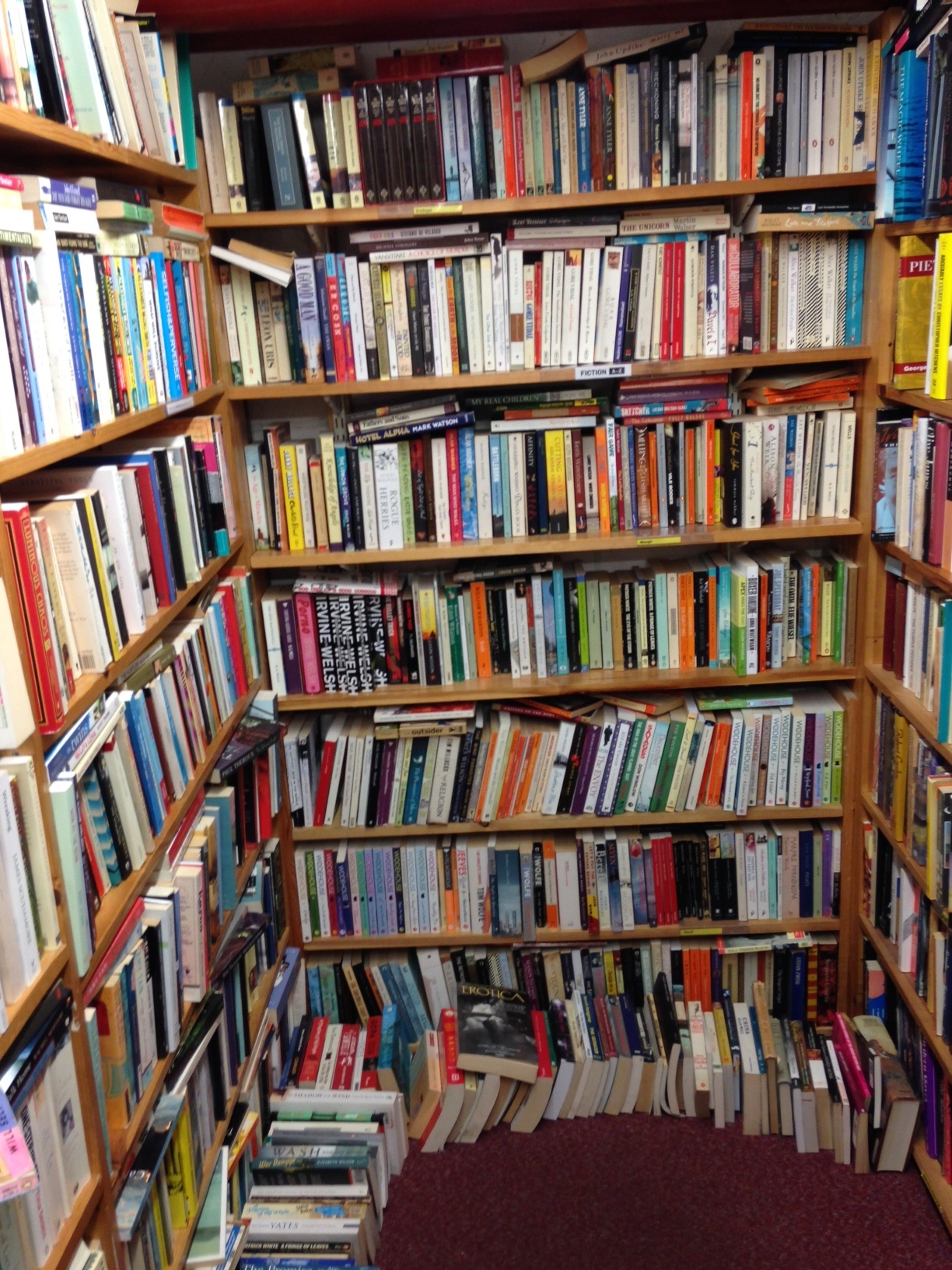
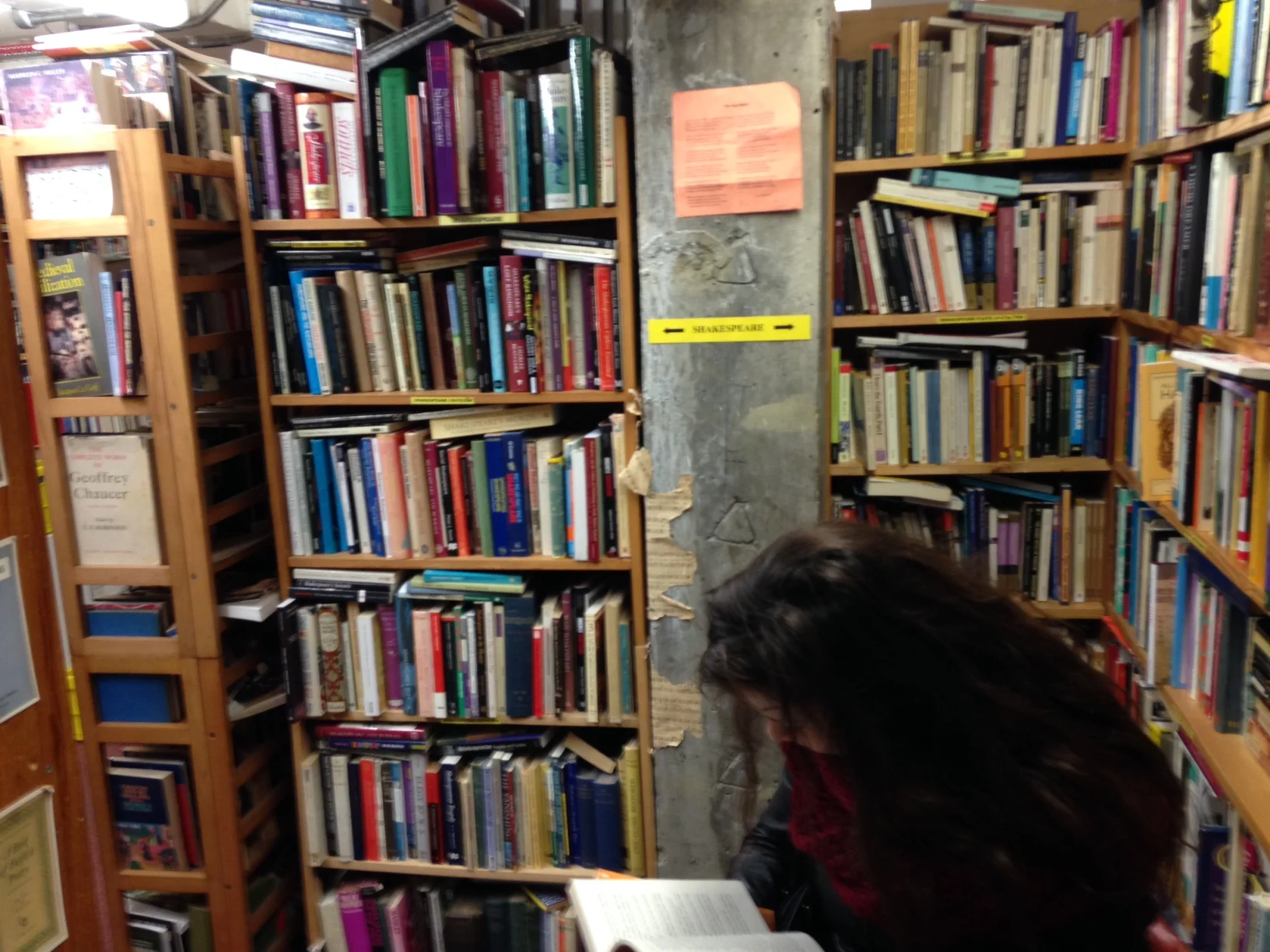
However, as you can see in the picture above, the moment you come downstairs, it quickly becomes very book-ish. There are literally books EVERYWHERE, which gives this store an amazing book smell, and they have every genre. But what is also very clear from the pictures is that it's kinda messy.

skoobbooks.jpg
skoobbooks.jpg

I think the idea is that the books are divided in genres and ordered alphabetically, but it wasn't really successful. Books were on the floor, on the closets and on top of other books, which makes it impossible to keep them in some kind of order. It is effective if you want to put as many books as possible in one store, but it doesn't make for easy browsing. Maybe I'm just lazy or easily overwhelmed, but it didn't work for me. Too many books, too little order. 

skoobbooks.jpg

My salvation was to focus on two sections that I liked: Shakespeare and the original orange Penguin books. There was an amazing section on Shakespeare, as seen above, and though it was messily organised, it was small enough to be browsable. 

And those orange books? SO PRETTY. I WANT THEM ALL. Who cares if those are organised? I need them all and that's easy enough to pick out.


Buys

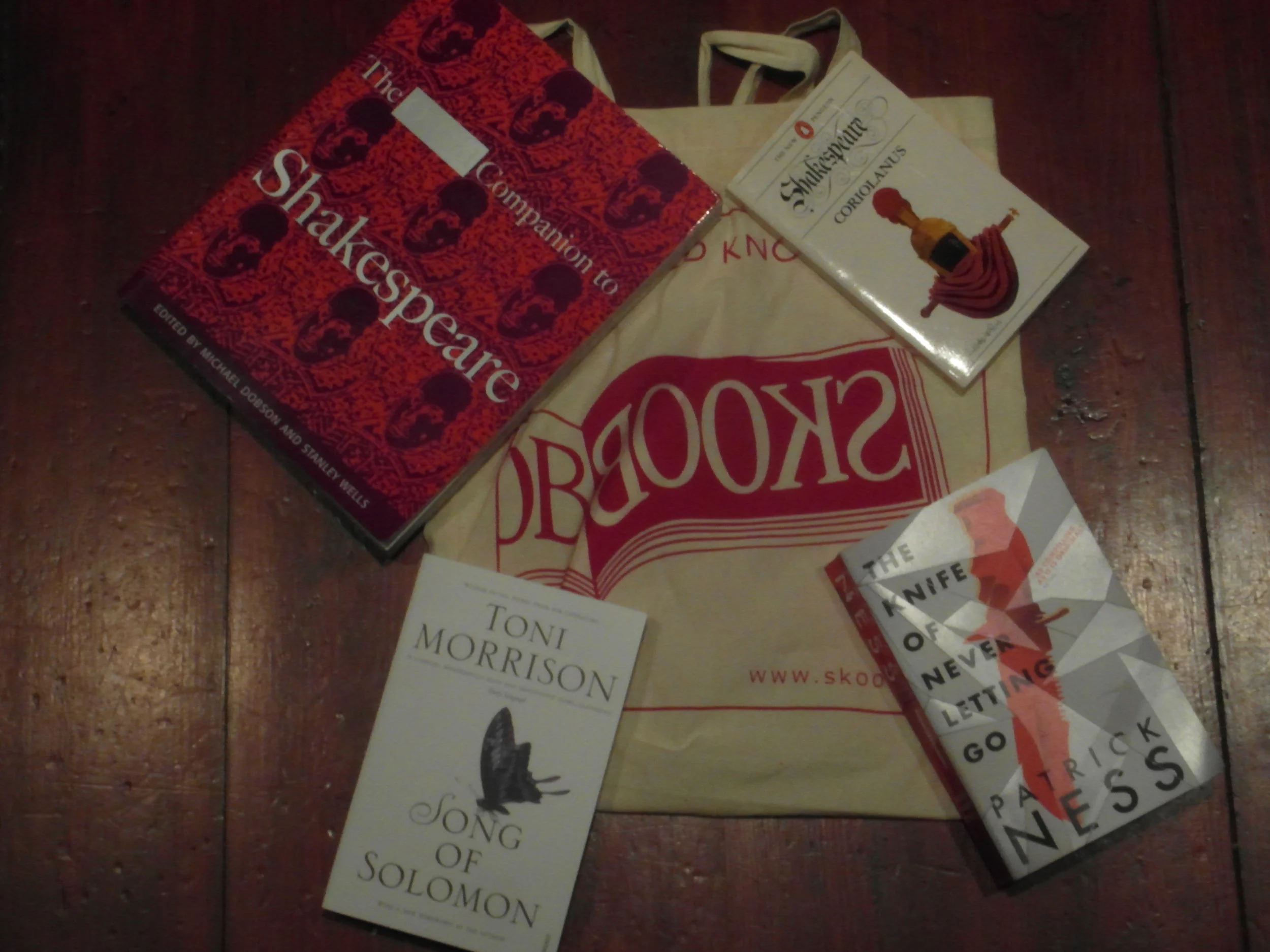
So I walked away from the store with these books:

- The Knife of Never Letting Go - Patrick Ness

- The Oxford Companion to Shakespeare (Be still my Shakespeare heart, it was only 13 pounds!!)

- Coriolanus - Shakespeare (Can anyone tell I'm doing a MA in lit?

- The Song of Solomon - Toni Morrison

- and a secret Christmas present for my father!

booksskoobbooks.jpg

Conclusion

Overall, the store wasn't really my cup of tea. It also didn't help that the lady who helped me at the cash register was incredibly rude. I get that you're in a basement and that it's hot there, but it was a quiet-ish day and we didn't even need your help. No need to be rude.

So even though it pains me to say, this bookstore just didn't really do it for me. The selection is great and I love the smell of books that is in the air there, but it the bad customer service and the unorganised experienced just ruined it for me. Sorry, no more Skoob Books for this London girl any time soon.